Product
Do people want it?
Build the wrong thing well and you've just wasted money faster.
We use AI to move faster, with people responsible for the architecture, implementation and decisions. We build the websites, apps and platforms that run real businesses, including our own, and help them evolve as the business changes. Part of a growth system where design, marketing, operations and finance work together.

BUILT AND RUNNING ON
We've been handed plenty of beautiful platforms nobody uses. Usually because the thing got built before anyone worked out who it was for, how it would be sold, or what it cost to run. So we start with the commercial question and let it decide the technical one.
Build the wrong thing well and you've just wasted money faster.

A platform with no demand behind it is a hobby.
Built, integrated and maintained with clear ownership and a support plan suited to the business.
Software changes how your business works. Plan for that or it gets abandoned.
Build cost, run cost, and what it actually saves or earns.
Included services
A year ago, writing software was the bottleneck. It isn't any more. AI can produce a working application in an afternoon, and a lot of what's being sold right now is exactly that — generated, lightly checked, shipped.
It demos beautifully. Then month four arrives: nobody can explain how the auth works, the dependency nobody reviewed has a known vulnerability, and the person who prompted it has moved on. The bill for that arrives later and it's much bigger than the build.
We use AI heavily. It's the best tool we've had in twenty years and refusing to use it would be a strange kind of pride. What we don't do is let it make decisions.
What AI does here
What a person does here
What AI does here
Writes the boilerplate, the tests, the migrations, the repetitive glue
What a person does here
Decides the architecture before a line gets generated
What AI does here
Drafts an implementation of a spec someone else wrote
What a person does here
Writes the spec, and knows why it's that and not something else
What AI does here
Suggests fixes and refactors
What a person does here
Sets the review and testing approach for the project
What AI does here
Speeds up the parts that were always tedious
What a person does here
Defines release ownership and the support arrangement
Same people, same standards, more of their time spent on the decisions that matter.
More customers are using assistants alongside search to research products and services. Clear, accessible content and well-structured information can help those systems understand a business, but visibility and recommendations are never guaranteed.
We consider semantic HTML, appropriate structured data and documented APIs where they serve the product. Any agent-enabled action needs the same permissions, validation and safeguards as the customer journey it supports.
The right approach depends on the use case. We scope those capabilities alongside the rest of the build, including their cost, maintenance and measurement.
A dependable build needs more than working screens. We agree the delivery approach, ownership and handover for the project, including the areas below.
Agree who reviews changes, what they check and how decisions are recorded.
Choose the right automated checks and release process for the project's scale and risk.
Identify the critical journeys, integrations and edge cases that need coverage.
Decide how the product, data and integrations fit together before implementation runs ahead.
Scope the relevant dependency, secrets and access-control checks before launch.
Agree repository access, documentation and a walkthrough so the next team can understand the system.
That sounds obvious. It's the opposite of how most agencies work — most sell what they already know how to build, and the architecture diagram is finished before the first meeting.
Fast by default, clean semantics, readable by crawlers and assistants. Your content team still gets a proper editor.
Checkout, payments and tax are solved problems — we build on them, not around them. Headless when the buying experience has to be unlike anyone else's.
A practical foundation for custom workflows, integrations and products, chosen around the application's needs.
One codebase unless there's a real reason not to — and we'll tell you when that is.
Every agency has a platform it sells because it's the one it knows. We'd rather tell you which of three answers fits your situation, including the one that earns us less.
Shopify is excellent and we've built a lot on it — Harbour, the luxury outdoor furniture brand, runs on it. If you're selling products and want your team running the store themselves, standard Shopify is usually right. When the buying experience needs more flexibility, we assess a custom theme, apps or a headless front end against the requirements, cost and maintenance. Headless can keep Shopify's commerce services while giving the front end more independence; it is one option, not an automatic requirement for subscriptions, configurators or search visibility.
WordPress is sometimes right too. Mostly content, published often, edited by a lot of people without training — that's a fair WordPress site and we'll build it properly. What we won't do is reach for it by default, stack fifteen plugins on it and call that a platform.

Harbour, the luxury outdoor furniture brand, runs on Shopify. Shopify keeps the catalogue, checkout and tax; the storefront is built to show a premium range properly, on desktop and on mobile.
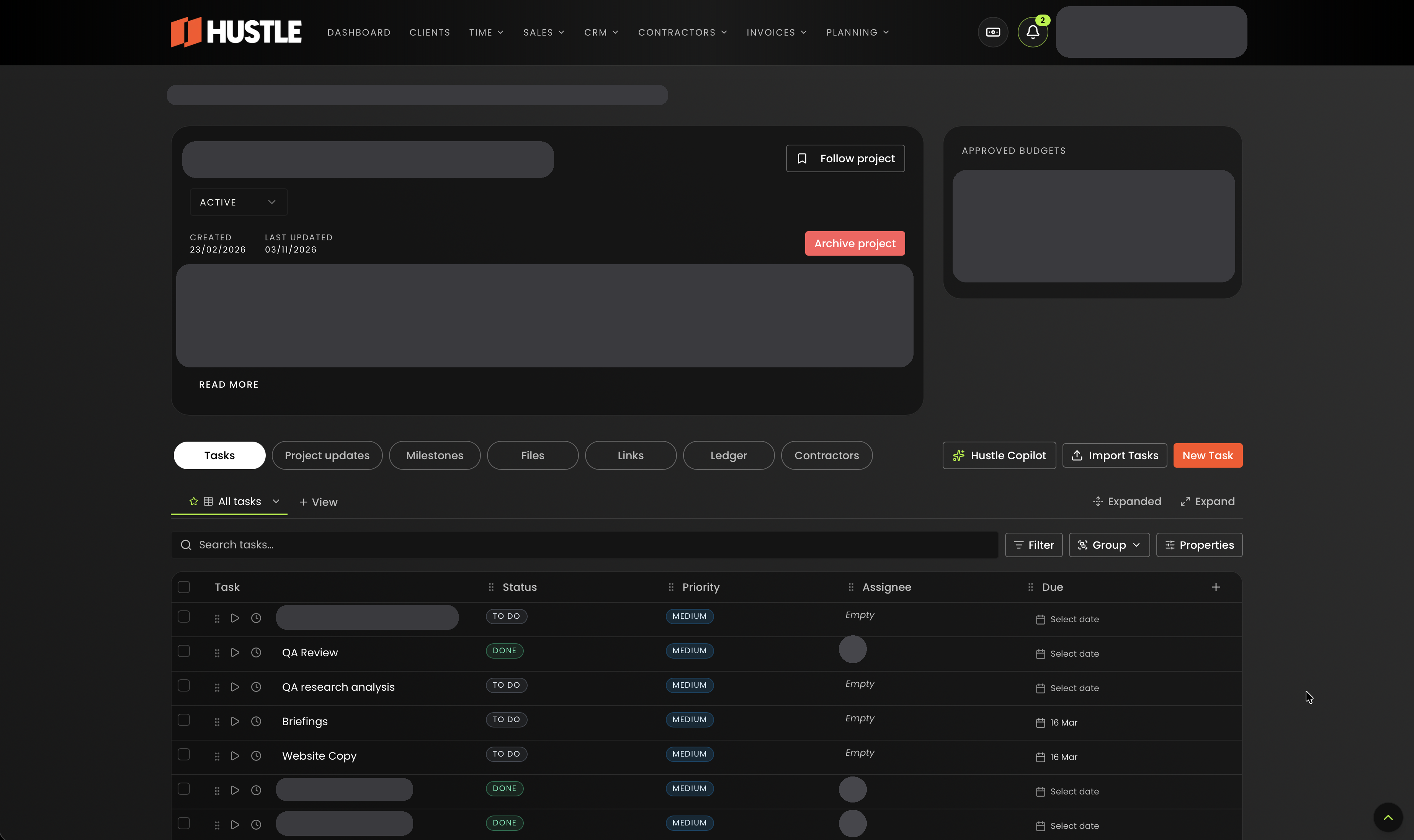
We built MyHustle to help run our own agency. It brings project work, tasks and time tracking into one place and gives the team a shared view of the work.
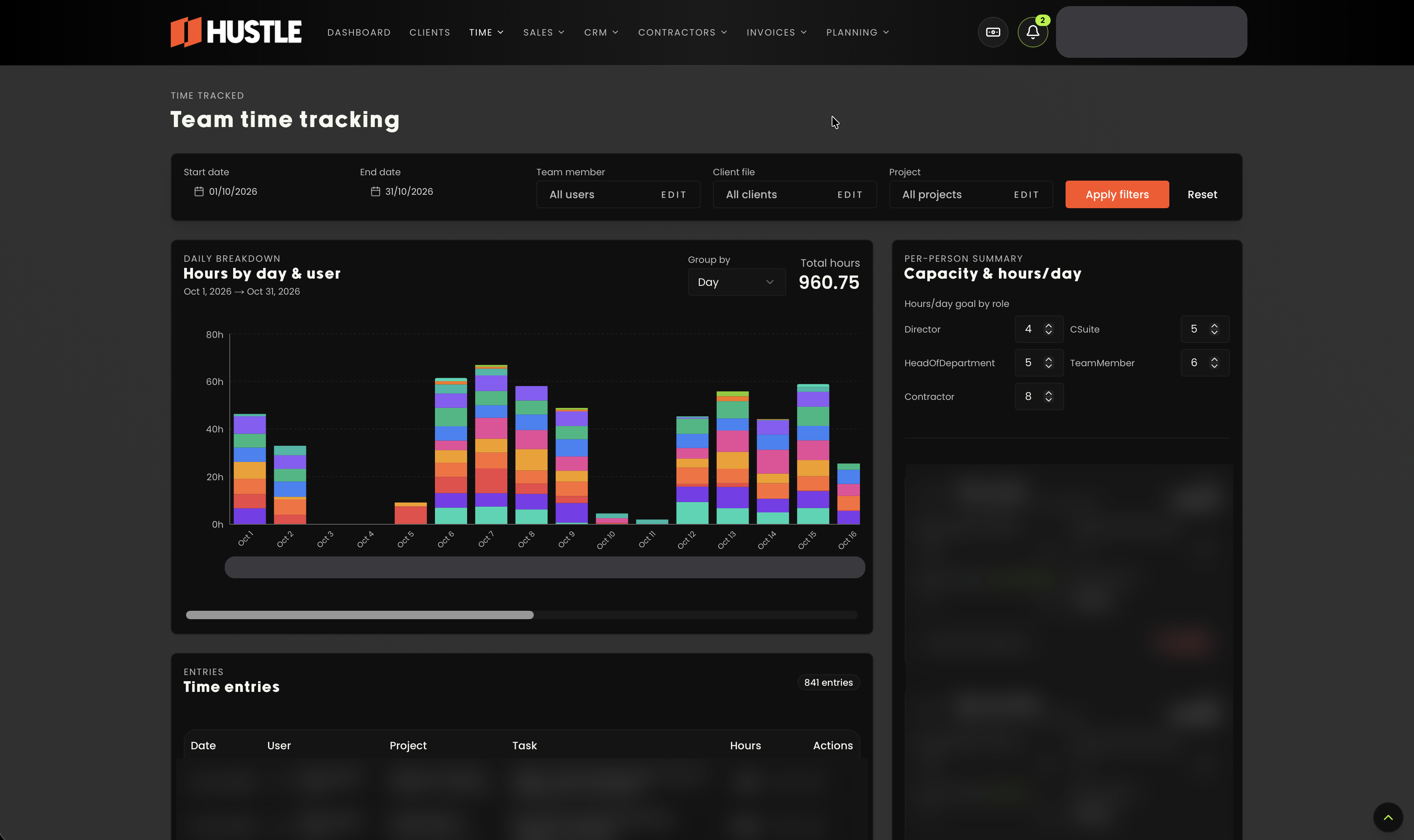
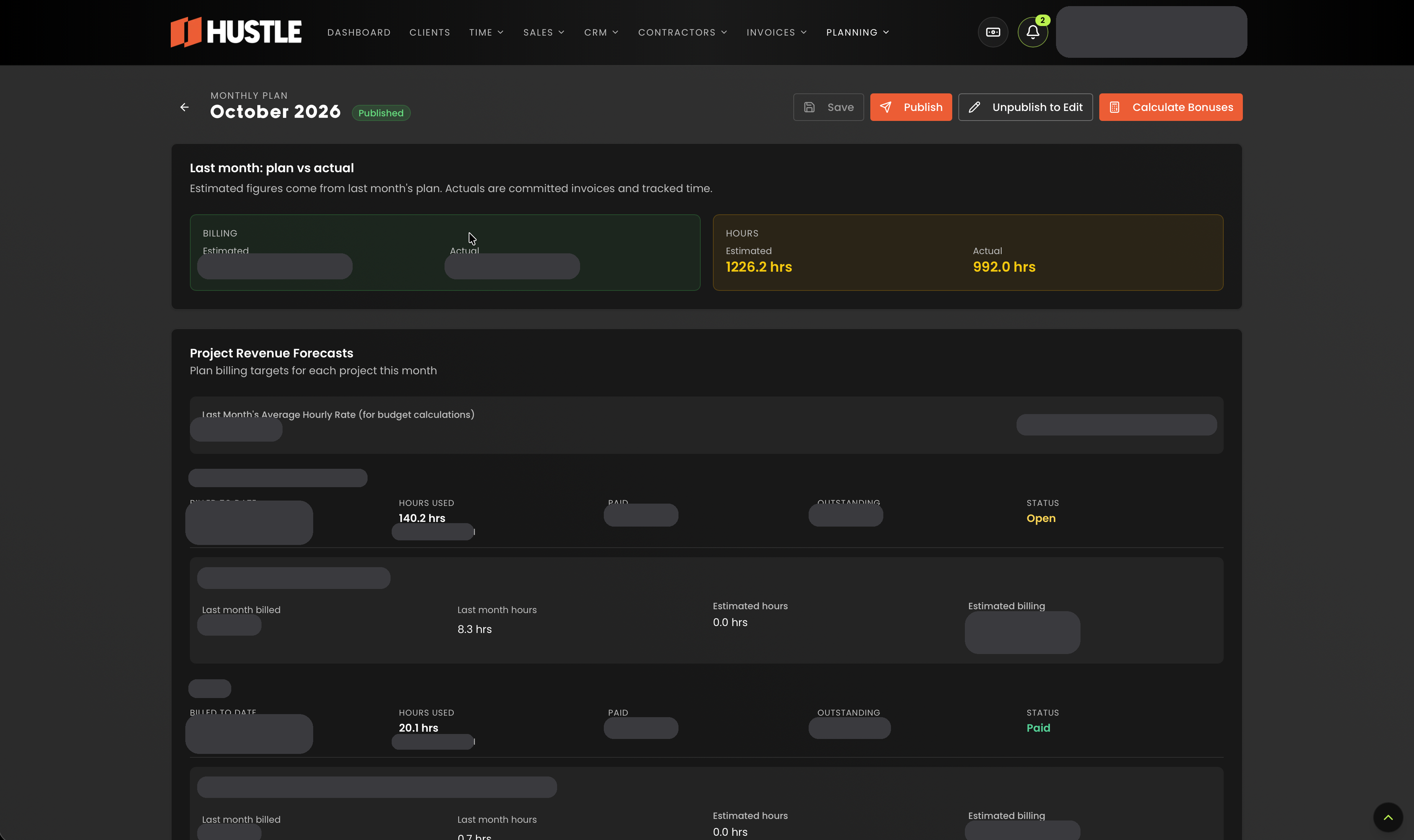
It is a working tool built around our own workflows. The views below show the product with client, project and team details removed.

The same software tracks every hour against a project and rolls it up into a monthly plan of billing against actuals. Client details are blurred here.

Websites
Marketing sites, ecommerce, portals and platforms. Built on a modern stack, engineered for search and for assistants, and handed over with the keys.
For you ifYou need a site that earns its place in the funnel

Apps
iOS and Android, from MVP to scale. Designed around a habit rather than a feature list, built to survive real users.
For you ifYou have a product idea, or a process worth putting in people's pockets
Platforms for our own businesses and products we've built with clients.
Membership, billing, access control, the site and the app. Built and still run by us.

5,000 subscribers
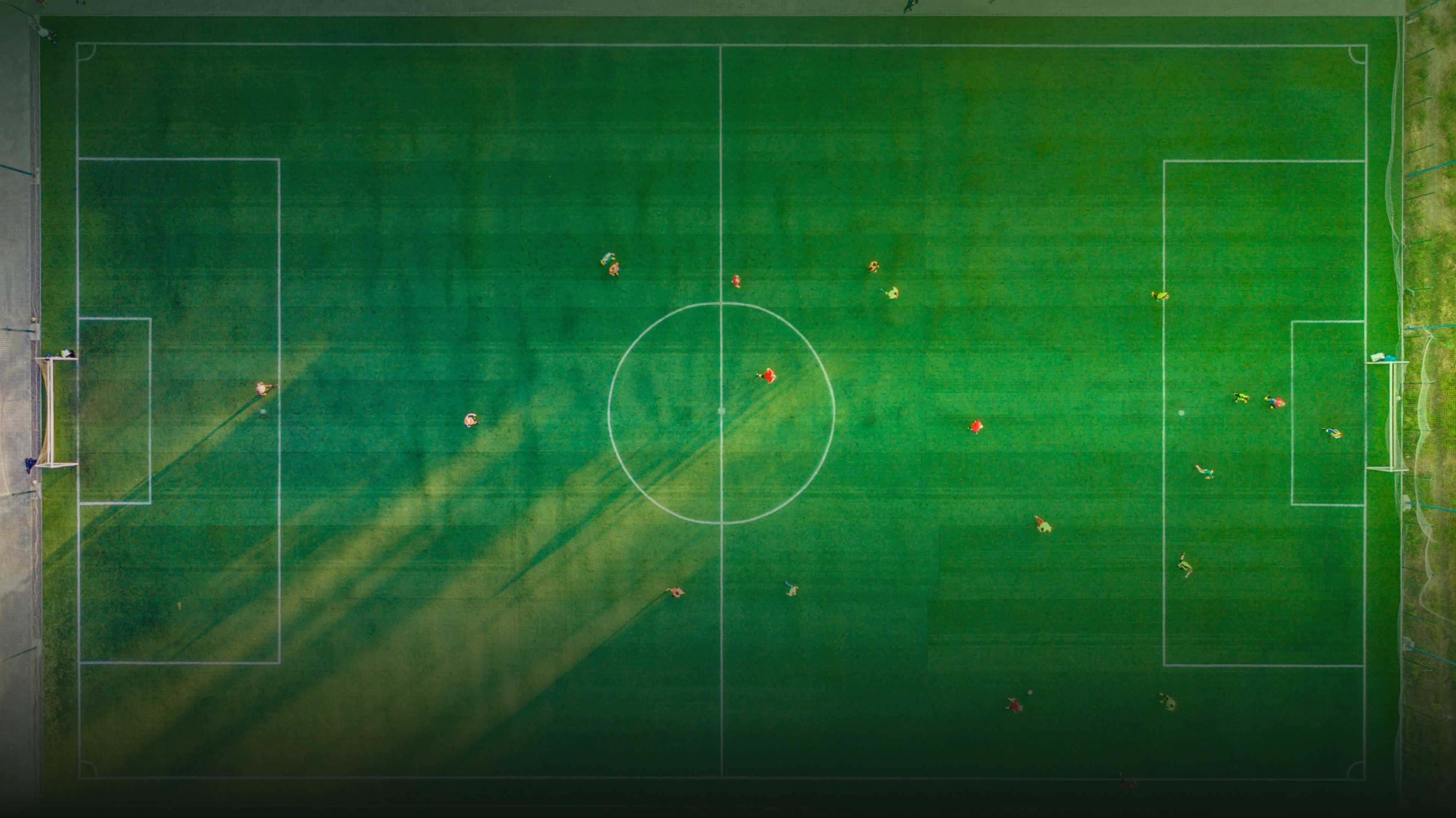
Car wash subscription with member perks, on a cloud-native stack: 5,000 subscribers, 200 merchants and hundreds of member products. Node, React, MongoDB, AWS and Auth0, with membership and access logic end to end, built to extend into other verticals.

From a whiteboard sketch to a trading business. Product and platform, built in-house.

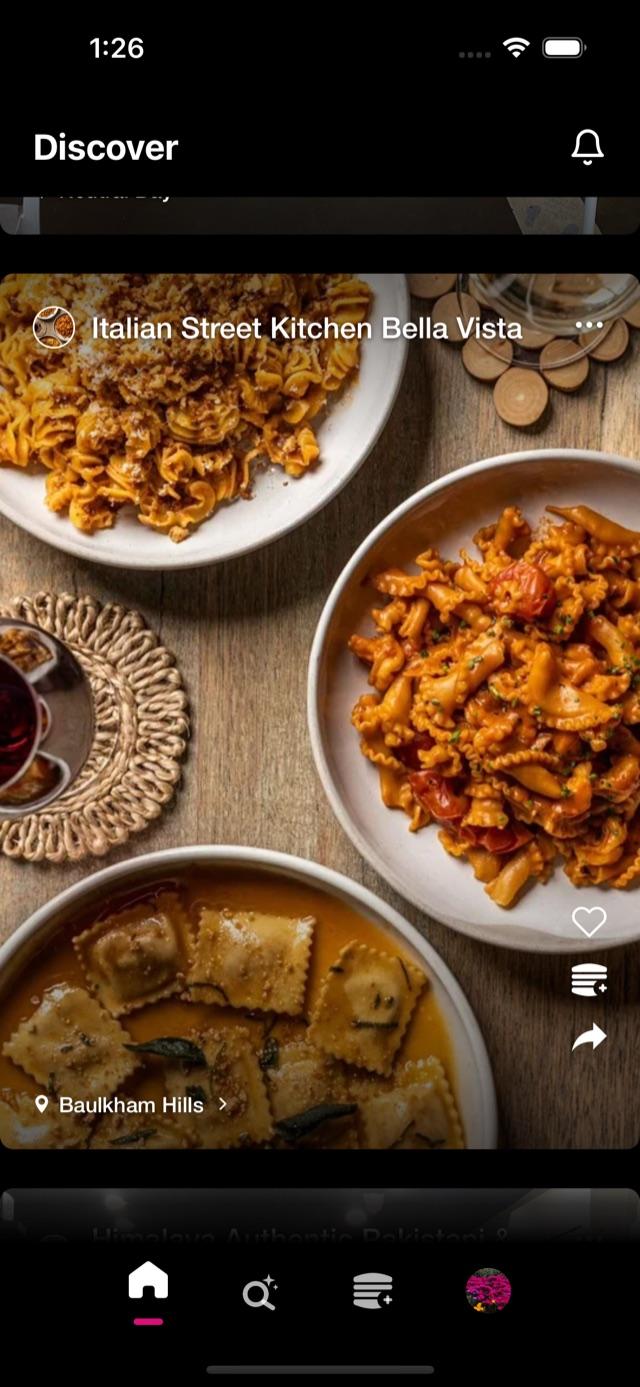
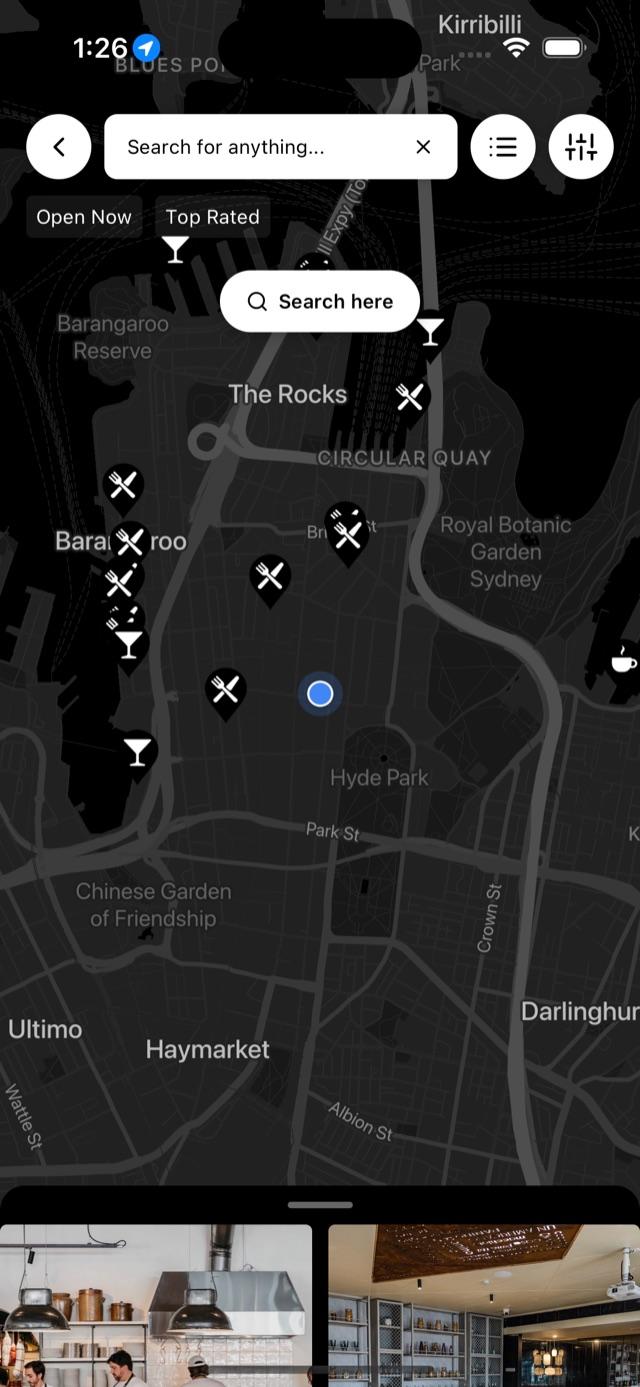
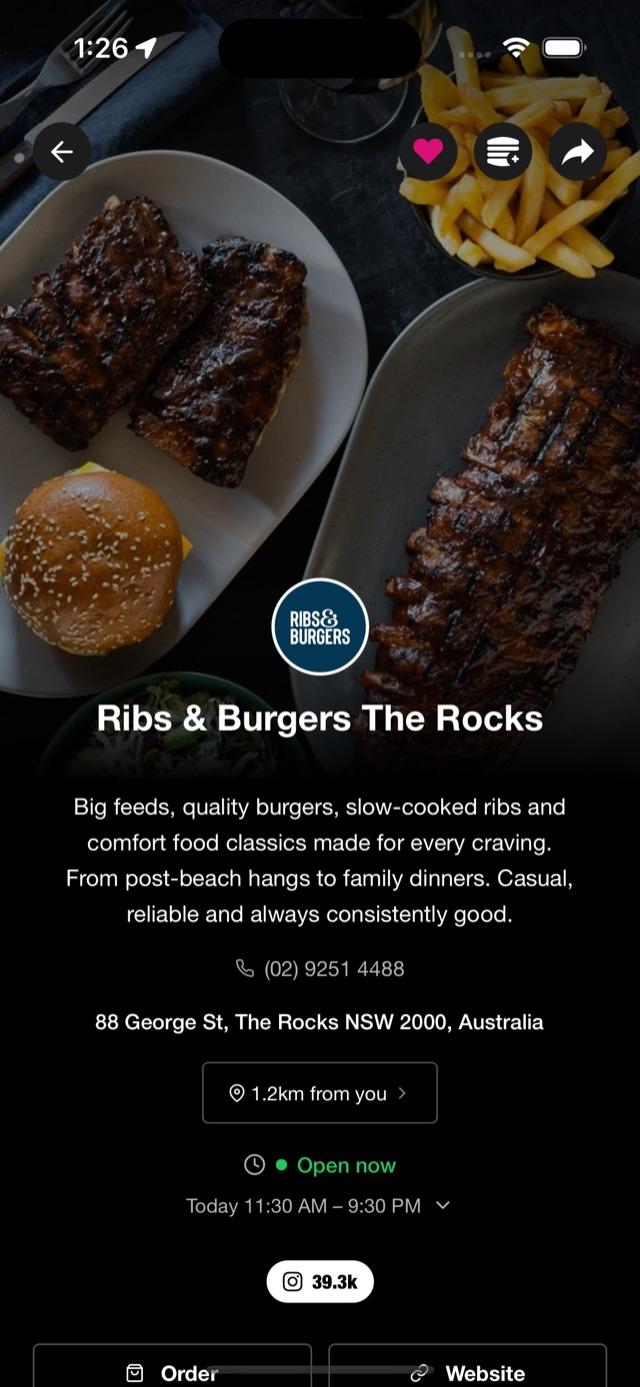
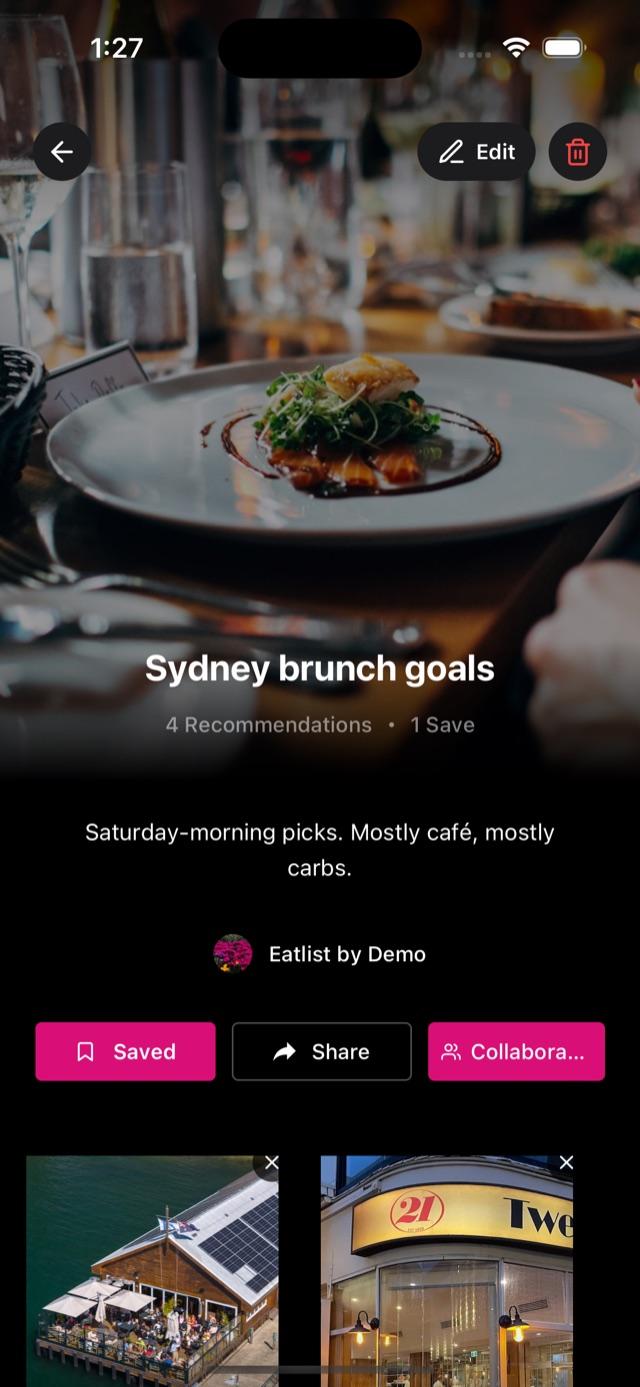
Sweet As is a curated food and drink discovery app for Sydney, live on the App Store and Google Play. Designed and built by us, from first screen to store listing.
Thirty minutes with someone who'll actually be involved in building it. We'll tell you what we'd do, roughly what it costs, and whether you should build it at all.
No sales engineer. No discovery phase invoice before you've decided anything.