App design & development

The demo always works. Month four is the test.

Anyone can get you a prototype now. Fewer can build the thing that still works when it has ten thousand users, an App Store review, and a feature request that breaks the original assumption. We build iOS and Android products from MVP to scale — including our own.

  • Built the MVP that raised the round — Disport
  • Subscription, access and membership platform in production — XtraClubs
  • Curated venue discovery with natural-language search, live on both stores — Sweet As
  • CI/CD, unit and integration tests, code review on every merge
See the apps
Part of the technology pillar of the Hustle growth system:Technology →

SHIPPED AND LIVE

  • iOS
  • Android
  • React Native
  • TestFlight
  • Play Console
To confirm

App icons and store links for this row

ASSET TO COME: the guide wants real App Store icons linking to their listings, which is verifiable in one tap. Sweet As is confirmed live on both stores; confirm which others are publicly listed and supply their icons as PNGs.

The honest bit

Most apps get built. Very few get used.

The hard part was never the code, and it's certainly not the code now. The hard part is that people download an app once, don't find a reason to open it again, and it quietly dies on the third screen of their phone.

Apps are valued on how many people use them daily or monthly, not on how many features they have. So the question we start with isn't “what should it do” — it's “what makes someone open this tomorrow”. Everything else follows from the answer.

Which is also why we'll sometimes tell you not to build an app. If the job can be done by a good mobile site, an app adds a download, a store review and a permanent maintenance bill for no extra benefit. That's a cheaper conversation to have now than in month six.

Built before anyone asked

The feature list came from a workshop, not from watching someone struggle with something.

No reason to return

Beautiful onboarding, then nothing. No habit, no trigger, no reason to open it again on Thursday.

Nobody can maintain it

The build team left, the code is undocumented, and every change costs more than the last one. This is the one AI has made much more common.

What we build

Four kinds of app, and which one you're describing

MVP

Prove it before you spend the rest

The smallest thing that tests whether people want it. Built properly, so if it works you build on it rather than starting again.

Consumer product

An app people choose to open

Designed around a habit. Onboarding, retention, notifications that aren't resented, and the analytics to see what's working.

Operational app

Put the process in their pocket

Field teams, bookings, job management, inventory. Where the app replaces paper, phone calls and a spreadsheet.

Membership and subscription

Access, billing and the recurring relationship

Sign-up, payment, access control, renewals and churn. We've built this for our own businesses, more than once.

The process

Five stages, and you can hold the thing at the end of stage three

The prototype is clickable before anyone writes production code. You'll know what you're getting while it's still cheap to change your mind.

Research

The apps already winning your category on the App Store and Play Store — what they get right, what they've left open, what their one-star reviews complain about.

You get: a competitor teardown and the gap we'd aim at

Journeys

Map how someone goes from install to habit. Where the value lands in the first 60 seconds, and what brings them back on day two.

You get: user journey maps and a retention hypothesis

Prototype

Wireframes to settle the experience, then the visual design, then a clickable prototype on a real phone.

You get: a prototype you can put in someone's hand and test

Build

React Native, or native when the app earns it. Senior review on every merge, tested on real devices as we go.

You get: TestFlight and Play Console builds from early on

Launch and iterate

Store submission, staged rollout, then watching what people actually do. Retention is a launch metric, not a year-two one.

You get: a live app, the repo, the documentation and a walkthrough

Building in the AI age

Anyone can generate an app now. That's exactly the problem.

A working prototype used to take three months and cost real money. Now it takes an afternoon, which is genuinely great — ideas get tested faster than ever.

What hasn't changed is everything after the prototype. Auth that holds up. Data that stays private. A codebase someone can still change in a year. App Store review, which has no patience for a broken build. Those are judgement problems, and generated code doesn't have judgement.

We use AI heavily. It goes through the same pipeline as everything else.

What AI does here

Boilerplate, tests, migrations, the repetitive glue

What a person does here

Decides the architecture before anything gets generated

What AI does here

Drafts implementations of a spec someone wrote

What a person does here

Writes the spec, and knows why it's that one

What AI does here

Suggests fixes and refactors

What a person does here

Sets the review standard every pull request has to pass

What AI does here

Makes the tedious parts fast

What a person does here

Owns the 2am call when something breaks

If we can't explain a line of your app, it doesn't ship.

And if your app should have AI in it, we've shipped that too

Sweet As, the curated venue discovery app we designed and built, searches in plain English. Someone types “date night” or “a quick bite” and the app surfaces the places that actually fit. It's live on the App Store and Google Play.

That's the version that earns its place: AI doing something the interface genuinely couldn't do without it. Search that understands what someone means, support that resolves the easy 60%, personalisation that isn't creepy, data entry that disappears.

Plenty of apps are having a chatbot bolted on because the board asked for one. That costs you money per user forever and nobody uses it. We'll help you work out which of the two you're describing, and if it's the second one we'll say so.

The standards

What you get either way

Platform

React Native by default — one codebase, both stores, and your budget goes into the product rather than into building it twice. Native Swift or Kotlin when the app genuinely needs it, and we'll tell you when that is.

Both stores, equally

No second-class device. Blue bubbles or green, everyone gets the same experience, and we test on both.

Testing

Unit and integration tests running in CI on every change, real-device testing, think-aloud sessions with actual users, then a staged rollout.

Store submission

We handle the accounts, the provisioning, the review process and the rejections. It's tedious and we've done it enough times to be quick about it.

Security and privacy

Auth, data handling and permissions reviewed before launch. Anything touching payments or personal data gets tests.

After launch

Apps aren't finished at launch — OS updates alone force changes twice a year. Ongoing support runs on the top-up model, so you're not locked into a retainer you don't need.

Ownership

Repo, store accounts, infrastructure and data, in your name from the first commit.

Portfolio

Apps we've shipped

App work is judged visually before anything else, so each panel shows the interface. Where a screenshot does not exist yet, the panel says so.

Built the MVP that raised the round, now building the launch product.

  • MVP
  • Product
  • React Native
Read the full case study →
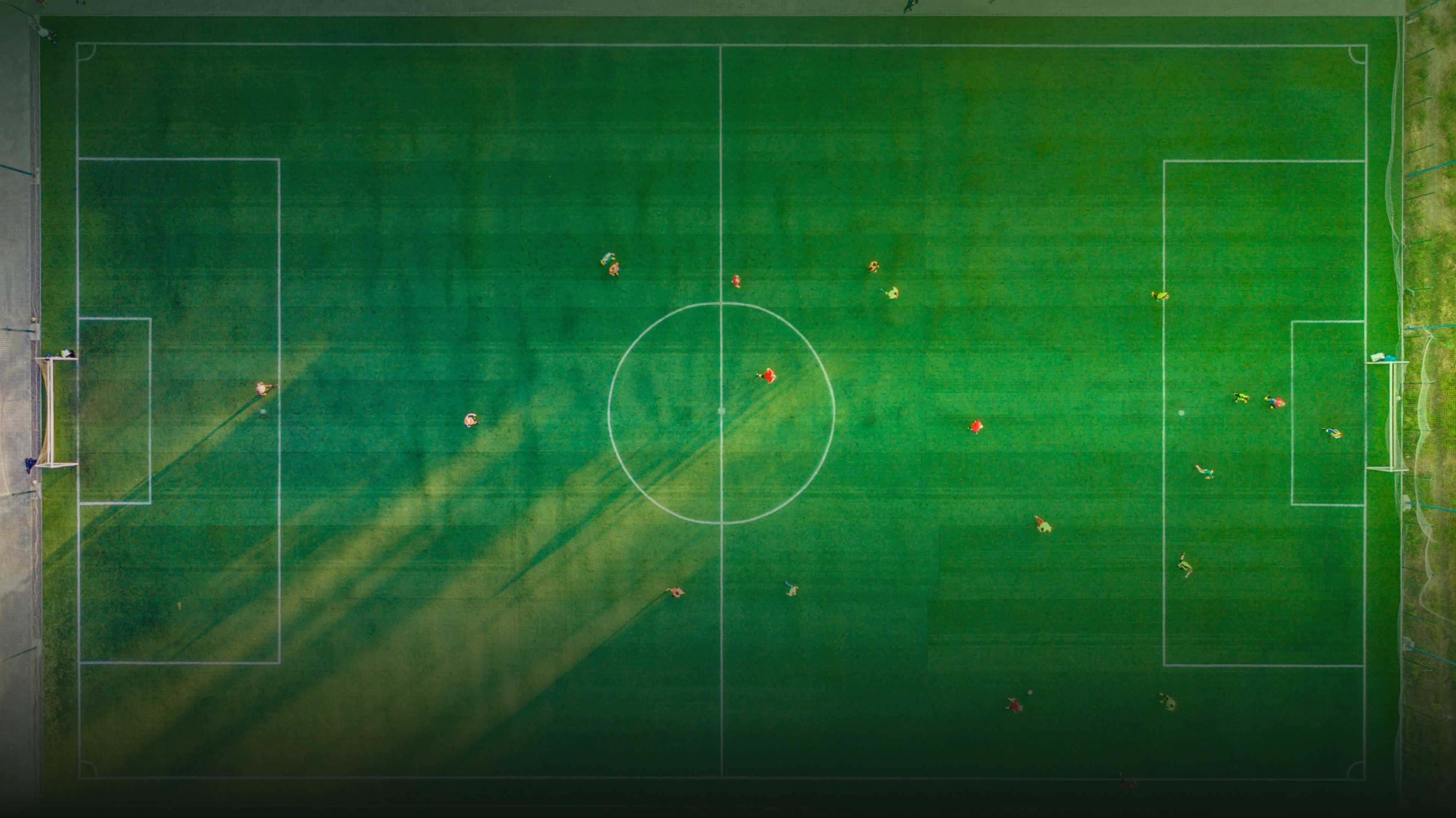
An aerial view of a football match on a green pitch.

Curated venue discovery for Sydney. Natural-language search, a live map, shareable Eatlists, and the venue-side tools operators use to run their own profile and deals. Live on both stores.

  • Product
  • Design
  • Natural-language search
  • iOS
  • Android
Read the full case study →
Guests in a warmly lit bar with amber pendants and yellow speakers.

10,000+ customers served through the app

Membership, access and subscription in a product we own and run.

  • Membership
  • Access control
  • Billing
  • App
Read the full case study →
Three people chatting together on the benches in an XtraClubs sauna.

Car wash subscription with member perks: 5,000 subscribers, 200 merchants and hundreds of member products. Built on Node, React, MongoDB, AWS and Auth0, ready to extend into other verticals.

  • Node
  • React
  • MongoDB
  • AWS
  • Auth0
Read the full case study →
A car covered in thick wash foam.
Questions

What founders ask us first

Scope decides it, and anyone quoting a number before they understand the job is guessing — “an app” covers everything from a booking form to a marketplace. Send us a brief, or spend thirty minutes on a call, and we'll scope it properly and come back with a real number and what drives it. You'll know the cost before you commit to anything.
An MVP is usually three to four months. A full consumer product is six-plus. Store review adds days, not weeks, once the build is right.
Often, no. If the job is done well by a mobile site, an app just adds a download, a store review and a permanent maintenance bill. We'd rather tell you that now. An app earns its place when it needs the phone — notifications, camera, location, offline, payments, or genuine daily habit.
React Native by default: one codebase, both stores, and your budget goes into the product rather than building it twice. Native when the app leans hard on device performance or platform-specific features — and we'll say so if that's you.
Yes, for the repetitive parts — and every line goes through the same code review protocol, CI/CD pipeline, unit tests and integration tests as anything else we write. What we don't do is generate a product and hand it over unreviewed. That's the thing that works in the demo and falls over in month four.
Only if it solves a real problem for your users. Search that understands intent, support that handles the easy 60%, data entry that disappears — those earn their place, and we've shipped that kind of search in Sweet As. A chatbot added because the board asked for one costs you money per user forever and nobody uses it.
All of it. Repo, store accounts, infrastructure and data, in your name from the first commit.
Apps need ongoing work — OS updates alone force changes twice a year. We run support on a top-up model, so you buy hours rather than being locked into a retainer you may not need.
Usually. We'll audit the codebase first and tell you honestly whether it's worth building on or worth replacing. We've said both.
Bring it. A working prototype is a real head start — it tells us what you want far better than a brief does. We'll review it, tell you what's salvageable, and be straight about what has to be rewritten before real users touch it — usually the auth, the data handling and anything with no tests around it.
To confirm

Real timeline averages

ASSET TO COME: the FAQ says "three to four months" for an MVP. The guide marks that a placeholder. Replace it with measured averages.

To confirm

A number for Disport

ASSET TO COME: "raised at an amazing valuation" is vague. A round size or a user figure is not. The guide flags this P1.

To confirm

A number for Digs

ASSET TO COME: users, properties reviewed or markets — anything concrete. Also worth any retention or MAU figure you can share, since the page argues apps are valued on usage.

Tell us what you're trying to build

Thirty minutes with someone who'll actually be involved in building it. We'll tell you what we'd do, roughly what it costs, and whether you should build it at all.

Already built something yourself? Bring it — a working prototype tells us more than a brief does.